
Business Loan Case Study
How We Secured a £250k Business Loan for a Growing Staffordshire Firm
I’m proud of this one. The client came to us with a £200k offer already on the table. We secured £250k at a far keener rate for the same monthly cost, which is £50k more to grow the business.
| £250ksecured over 5 years | 10.5%rate, no early repayment penalties | +£50kmore than a rival offer |
In brief
Yes, you can often secure a business loan after the high street has declined you, even with a past COVID-related liquidation in your history. Howe Commercial Finance arranged a £250k unsecured business loan over five years at 10.5% for a growing Staffordshire firm in the environmental monitoring and gas detection sector. The high street withdrew over a previous COVID liquidation, but a specialist lender stepped in. The loan gave the client £50k more funding than a rival broker’s £200k offer, for the same monthly cost, with no early repayment penalties. It was secured on directors’ personal guarantees and a debenture, and funded two new hires and specialist equipment.
| Finance type | Unsecured business development loan |
|---|---|
| Loan amount | £250k over 5 years |
| Rate | 10.5%, with no early repayment penalties |
| Security | Personal guarantees from the directors plus a debenture |
| Client | Environmental monitoring and gas detection firm, Staffordshire, around £1m turnover |
| Timeframe | Around 6 to 8 weeks of full due diligence; completed in May |
| The win | £50k more funding than a rival offer, for the same monthly cost |
Key takeaways
- A high street decline usually reflects the bank’s lending criteria rather than the quality of your business; specialist lenders often back growing firms the banks turn away.
- A past COVID-related liquidation puts some lenders off, but others will look at the strength of the current business instead.
- Taking a few weeks to build a proper business plan and forecast can secure far better terms than a quick, turnover-based loan.
The challenge: funding rapid growth with working capital
This client runs a specialist business in environmental monitoring and gas detection, the kind of optical gas imaging and leak detection work that keeps energy, utility and industrial sites safe. They set up in 2022, having traded in similar businesses before, and they’d grown fast. Around £1m turnover, cash in the bank, a full order book, and plenty of ideas they wanted to act on.
To keep growing, the owner needed working capital: enough to take on two new members of staff, a drone pilot and a testing engineer, and to buy some of the specialist equipment the business relies on, which is expensive and imported. He sat down with his accountant, built a business plan and a cashflow forecast, and the number that came out was £250k.
He came to me through a local financial adviser I’ve known for more than 25 years. His client already had an offer from another broker, but it was for £200k, and the pay rate was coming in at more than 22%. For a business of this quality, that looked expensive. He wanted a second opinion.
Why the high street declined the loan
Here’s the thing about the high street. They want a clean, simple story. We approached a high street lender who liked the business, but there was a snag in the background: like a lot of firms, a previous business the owner had been involved in was forced to liquidate during COVID, simply because it couldn’t deliver its service during lockdown.
Some lenders won’t go near anything with a liquidation in the history, full stop, however it came about. So the high street terms never materialised. That doesn’t make this a bad business. Far from it. It just means it didn’t fit a tick-box.
How Howe Commercial Finance secured £250k unsecured
The client didn’t want a secured loan, but he was happy to provide personal guarantees and a debenture over the business, which is perfectly normal for a loan of this size. So we went looking for the right lender rather than the quickest one.
At Howe Commercial Finance, we found a specialist lender whose whole purpose is to back companies the high street has declined that want to grow and take on people. This business fitted that brief almost perfectly. The terms were £250k over five years at 10.5%, with no early repayment penalties, secured on personal guarantees and a debenture.
Getting there took patience. We sat down with the accountant, built a proper business plan and a management forecast covering profit and loss and the balance sheet, met the lender to walk them through the model, and arranged independent legal advice on the personal guarantees. With this lender that process typically runs six to eight weeks. The client could have drawn a quick, expensive deal in January, but we had an honest conversation and he was happy to wait for the better outcome. It completed in May.
We also helped beyond the loan itself, introducing him to a solicitor for the independent legal advice and to an insurance provider we work with that offers personal guarantee insurance, so he could limit his personal liability.
The outcome: £50k more funding for the same monthly cost
- £250k drawn for the same monthly cost as the rival £200k offer. That’s a full £50k more working capital.
- Early repayment flexibility, which the client valued, as he expects rising turnover to let him clear it ahead of time.
- Two new hires made possible: a drone pilot and a testing engineer.
- Funding in place to buy the specialist, imported equipment the business runs on.
I’m amazed by this client’s ambition and global reach, and I love supporting Staffordshire businesses that are growing and taking on more people.
What other business owners can learn from this deal
Sometimes a business genuinely needs money fast. But this deal is a good example of how taking a little time to put together a proper plan can lead to far better funding.
- You might assume the funding you want simply isn’t available to you. It usually is, in some form.
- If your bank has already said no, that’s rarely the end of the road. There are almost always other options.
- Work with a good commercial finance broker, and take your time finding the right one. You provide the ambition, we provide the finance.
The client put it nicely. His grandma used to tell him not to rush into things that end up costing more in the long run. Wise words from that generation.
And there’s a wider point here. Trusted introductions and long relationships tend to produce far better outcomes than anything found cold on the internet. This was a traditional deal, with the client, the lender, the accountant, the financial adviser and the solicitor all pulling in the same direction, wanting the business to thrive. A proper circular economy in action.
Frequently asked questions
Very often, yes. The high street tends to want a clean, simple track record and turns away plenty of good businesses that don’t fit its criteria. There is a whole market of alternative and specialist lenders, and some are specifically mandated to back companies the banks have declined that are looking to grow and recruit. That was exactly the case here.
It’s harder, but not impossible. Some lenders won’t entertain any history of liquidation, even when it was forced by COVID through no fault of the owner. Others will look at the wider picture and the strength of the current business. In this case the high street wouldn’t proceed because of a previous COVID liquidation, but a specialist lender was happy to back the new, growing company.
A secured loan is backed by an asset such as property, which the lender can fall back on. An unsecured loan isn’t tied to a specific asset, so it usually relies on a personal guarantee from the directors and a debenture over the business instead. This client preferred not to give a secured loan, so we arranged an unsecured £250k facility with a personal guarantee and debenture, which is normal at that size.
For most unsecured business loans of any size, yes, a personal guarantee is standard. The good news is you can manage that risk. We introduced this client to a provider of personal guarantee insurance, which limits the directors’ personal exposure if things ever went wrong.
Not always. A fast, lightly-assessed loan based mainly on your bank turnover can complete in days, but it usually costs a lot more. This client had a £200k offer at a pay rate above 22%. By taking a few weeks to build a proper business plan and forecast with his accountant, we secured £250k at 10.5% for the same monthly cost. That’s £50k more working capital for the same outlay.
With a specialist lender doing full due diligence, expect roughly six to eight weeks. That covers the business plan, management forecasts, meeting the lender and taking independent legal advice on the guarantees. It’s slower than a quick turnover-based loan, but the terms are usually far better.
|
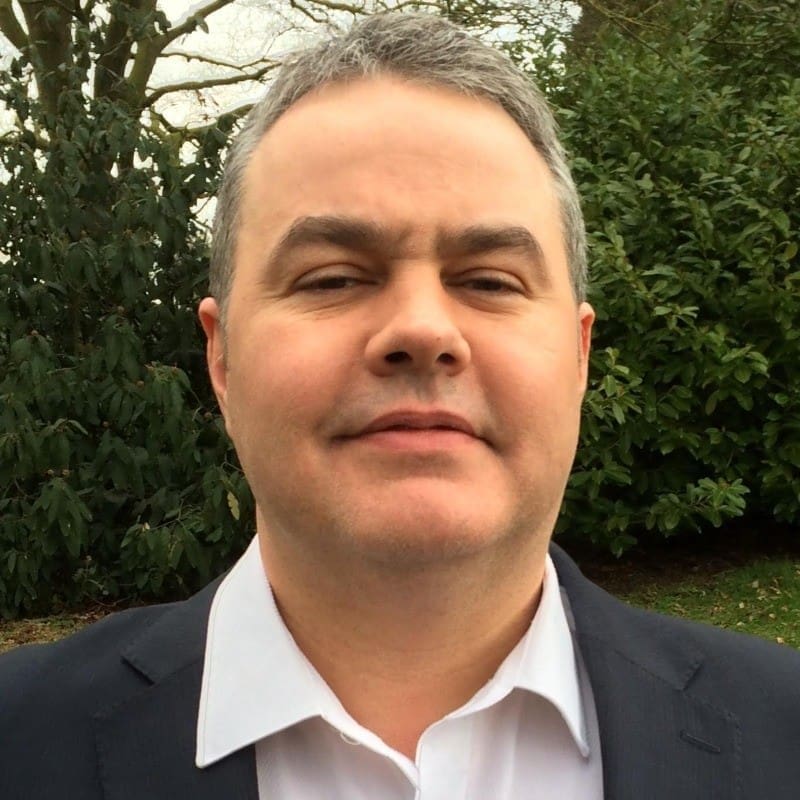
About the author Paul Howe · Director, Howe Commercial Finance Paul is the Director of Howe Commercial Finance, an FCA-regulated commercial finance brokerage based in Uttoxeter, Staffordshire. He has spent decades helping business owners and property investors secure the right finance, often in situations where the high street has already said no. Every case study on this site is based on a real deal Paul has arranged. Names and identifying details have been changed or removed to protect client confidentiality. |